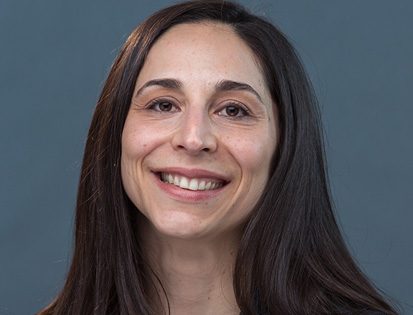
Academic researcher
Building the Drug Discovery Engine of the Future with AI-Empowered Nodal Biology
Argument: The Broad Institute's Anna Greka argues AI already speeds drug design and is starting to help clinical trials, so the bottleneck is finding the target: predicting how human cells respond to a disease mutation. To make the training data, she would engineer thousands of genetic-disease mutations into human cells, measure them, and look for shared nodes linking seemingly unrelated diseases.
Why read: A worked case: her lab traced a family's inherited kidney failure to cargo receptors trapping a toxic protein, used AlphaFold to design a drug candidate that worked in cells and mice and is heading to trials; she estimates the same receptors could be a target in over fifty diseases. Finding that target took more than five years of lab work, not the cell-prediction model she proposes.
Source published May 21, 2026Added October 23, 2026Edited by Dekun Sun