


AI FOR SCIENCE · ON THE RECORD
University of Toronto
On the timeline →People filter →
Research on the record
- 2026-10-24Calibrated uncertainty carries only unevenly out of distribution, and in active learning it mostly beats neither random sampling nor no calibration at allLevel 2 · Computed
- 2026-10-16A Toronto system given a goal, photos of the room and the instruments' interfaces built a digital twin of its lab, taught its robot arm the plate transfers and ran a 96-well quantum-dot screenLevel 4 · Tested in the physical world
- 2026-10-01Shift Bioscience says the metrics behind 'perturbation models do not beat baselines' are miscalibrated, and that newer models win once better-calibrated metrics are usedLevel 2 · Computed
- 2026-09-29GLASS generates metal-organic frameworks of up to 150 atoms at 74.8% structural validity, but 98.3% of its valid samples match known training frameworksLevel 2 · Computed
- 2025-12-17SDE, a 1,125-question discovery benchmark from Deep Principle and 25 institutions: the best models score 0.60-0.75, against 0.86 on GPQA-DiamondLevel 2 · Computed
- 2025-12-05Within DFT's own error, the usual computed score for electrocatalysts rates more than a third of the surfaces in Open Catalyst's datasets as good as the best known, a Mila-led preprint findsLevel 2 · Computed
Graded by how far the evidence went, not how good the result is. See the methodology.
Read on AI4S.fyi
- 2026-10-27This week in AI-for-science: 307 papers, one question: what happens when the data move?CommentaryJorge Bravo-Abad · Discovery at Scale
People
Only people the AI4S.fyi record has named: in a round, a timeline entry, commentary, an interview or a sourced role. Not the full team.
Named on AI4S.fyi
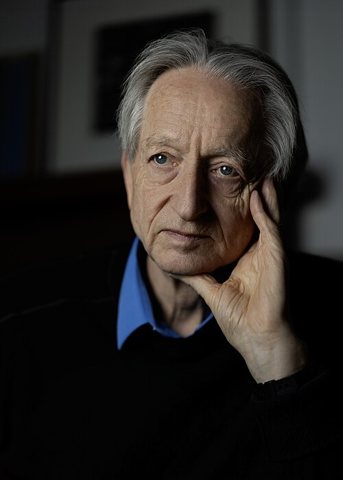 Geoffrey HintonEmeritus Distinguished Professor Commentary: Citation graphs may underestimate neuroscience’s influence on AI
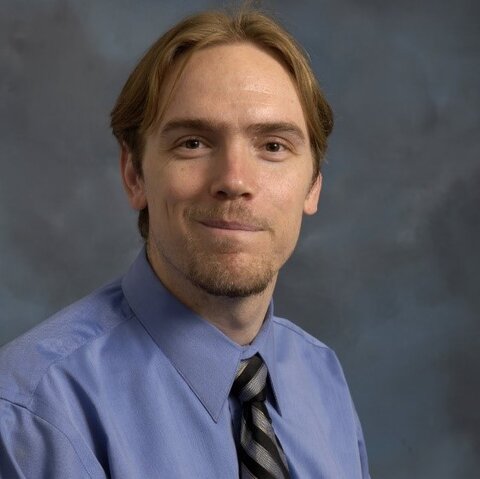 Jason Hattrick-SimpersProfessor, Department of Materials Science and Engineering; Researcher, Acceleration Consortium Calibrated uncertainty carries only unevenly out of distribution, and in active learning it mostly beats neither random sampling nor no calibration at all
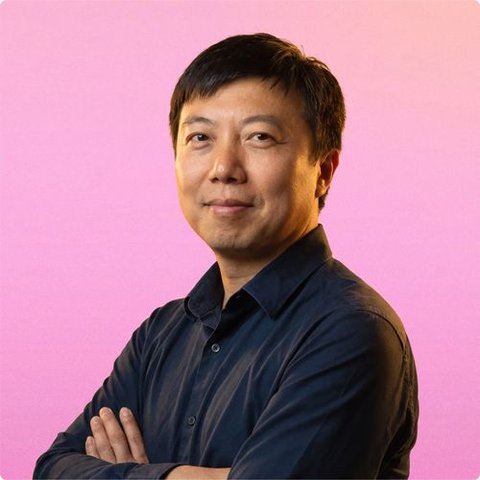 Bo WangAssistant Professor, Computer Science and Laboratory Medicine & Pathobiology Xaira built a camera-guided arm for instruments made for human hands, and over seven days it loaded 18 plates into an HPLC, 80% more than its model of weekday hours
 Alán Aspuru-GuzikProfessor, Department of Chemistry and Department of Computer Science A Toronto system given a goal, photos of the room and the instruments' interfaces built a digital twin of its lab, taught its robot arm the plate transfers and ran a 96-well quantum-dot screen
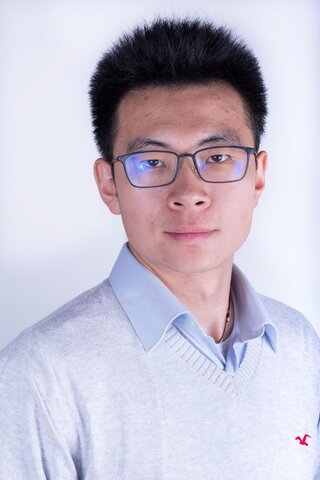 Jiaru BaiPostdoc, Aspuru-Guzik and Bernales group (AI for discovery and self-driving labs) A Toronto system given a goal, photos of the room and the instruments' interfaces built a digital twin of its lab, taught its robot arm the plate transfers and ran a 96-well quantum-dot screen
- VVarinia BernalesPrincipal investigator, Matter Lab A Toronto system given a goal, photos of the room and the instruments' interfaces built a digital twin of its lab, taught its robot arm the plate transfers and ran a 96-well quantum-dot screen
 Soukayna MouatadidAuthor affiliation on a 2026 paper (co-lead author) A machine-learning correction on top of ECMWF's forecasts tops ECMWF's 2025 real-time contest for weather three and four weeks ahead, ahead of six operational forecast centres and 34 teams
 Pengsong ZhangPhD candidate, Department of Mechanical and Industrial Engineering AI can widen science - but only if institutions stop rewarding the already measurable
 Seyed Mohamad MoosaviAssistant Professor, Chemical Engineering & Applied Chemistry; PI, AI4ChemS group GLASS generates metal-organic frameworks of up to 150 atoms at 74.8% structural validity, but 98.3% of its valid samples match known training frameworks
This page compiles what AI4S.fyi has recorded and links each item to its source. It is not a grade of the organization and not its complete history: a blank means the record has not caught up as often as it means nothing happened.